If you have the skills and experience needed for an Australian job, employer sponsorship can provide a pathway to work in Australia and, depending on the visa, potentially obtain permanent residency. However, meeting the requirements involves more than receiving a job offer from an Australian employer.
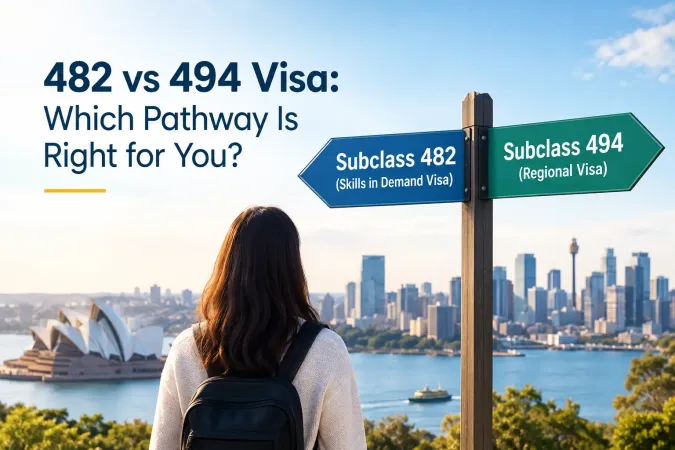
The employer sponsored visa requirements can vary depending on the visa subclass, occupation, employer and applicant’s circumstances. In 2026, common employer-sponsored pathways include the Skills in Demand visa (Subclass 482), Employer Nomination Scheme visa (Subclass 186) and Skilled Employer Sponsored Regional visa (Subclass 494).
This guide explains the key requirements you should understand before considering an employer sponsored visa in Australia.
What Is an Employer Sponsored Visa in Australia?
An employer sponsored visa allows an eligible Australian employer to nominate a skilled overseas worker for a position that meets the relevant visa requirements.
The pathway can be temporary, permanent or regional depending on the visa selected. For example, Subclass 482 is a temporary Skills in Demand visa, while Subclass 186 provides a permanent pathway. Subclass 494 is a five-year regional provisional visa that may provide a pathway to permanent residence for eligible applicants.
Because each visa has different eligibility rules, choosing the right pathway is an important first step.
Main Employer Sponsored Visa Options in 2026
Subclass 482 – Skills in Demand Visa
The Skills in Demand visa allows an approved employer to sponsor a suitably skilled worker for a position they cannot fill with an appropriately skilled Australian worker.
Applicants generally need to be nominated for an eligible skilled position, have the skills required for the occupation and meet the relevant English language requirements. The visa can allow eligible workers to stay for up to four years, depending on the stream and circumstances.
Subclass 186 – Employer Nomination Scheme
The Employer Nomination Scheme is a permanent visa for skilled workers nominated by an Australian employer.
It has different streams, including Direct Entry and Temporary Residence Transition. Requirements can include an eligible occupation, relevant skills and experience, English language ability, age requirements and health and character requirements.
Subclass 494 – Skilled Employer Sponsored Regional Visa
The Subclass 494 is designed for skilled workers nominated by employers in designated regional areas.
Applicants generally need an eligible occupation, relevant work experience, a suitable skills assessment where required, English proficiency and an approved sponsoring employer. The visa allows eligible holders to live and work in designated regional Australia for up to five years.
Key Employer Sponsored Visa Requirements
While the exact requirements depend on the visa, several areas are important across employer-sponsored pathways.
1. An Eligible Australian Employer
You generally need an employer that can lawfully sponsor or nominate skilled workers under the relevant visa program.
The employer may need to be an approved sponsor and meet requirements relating to the nominated position, business operations and nomination process.
For regional sponsorship, additional requirements can apply to the location of the position.
2. An Eligible Occupation
Your occupation must meet the requirements of the particular visa pathway.
For example, the relevant occupation list or occupation requirements can differ between Subclass 482, Subclass 186 and Subclass 494.
Before applying, check whether your occupation is eligible for the specific visa you are considering rather than assuming that every skilled occupation qualifies for every employer sponsored visa.
3. Relevant Skills and Work Experience
Your qualifications and professional experience need to match the nominated occupation.
The amount of experience required depends on the visa and stream. For example, the Subclass 494 Employer Sponsored stream generally requires at least three years of relevant work experience in the nominated occupation.
For Subclass 186 Direct Entry, applicants generally need at least three years of relevant work experience unless an exemption applies.
4. English Language Requirements
English requirements vary depending on the visa and stream.
Applicants should check the specific English standard that applies to their chosen pathway and make sure their test results meet the relevant requirements before applying.
For example, Subclass 494 applicants generally need at least Competent English.
5. Salary and Income Requirements
Salary is another important part of the employer sponsored visa requirements.
The nominated position must meet the applicable salary and income requirements. Skilled visa income thresholds are indexed, and the Department of Home Affairs has confirmed that skilled visa income thresholds increased from 1 July 2026.
Employers and applicants should therefore check the current threshold that applies to the particular visa and nomination rather than relying on figures from previous years.
6. Health and Character Requirements
Applicants and relevant family members generally need to satisfy Australia’s health and character requirements.
Depending on your circumstances, this can involve health examinations and police certificates.
It is important to prepare these requirements early because obtaining documents from multiple countries can take time.
7. Age Requirements
Age requirements depend on the visa and stream.
For example, Subclass 494 applicants generally need to be under 45 when applying unless an exemption applies.
Subclass 186 also generally has an under-45 requirement, although specific exemptions may apply depending on the applicant and occupation.
This means your age should be assessed before selecting an employer-sponsored pathway.
What Does the Employer Need to Do?
Employer sponsorship is not only the applicant’s responsibility.
Depending on the visa, the employer may need to:
- Become or already be an approved sponsor
- Nominate the position and applicant
- Meet applicable sponsorship requirements
- Demonstrate that the position meets relevant requirements
- Provide information about the business and nominated role
- Comply with sponsorship obligations
The employer and visa applicant therefore need to coordinate their applications and supporting documents carefully.
Documents You May Need
The exact document list depends on your visa and circumstances, but applicants may need:
- Passport and identity documents
- Qualification certificates
- Skills assessment, where required
- Employment references and work experience evidence
- English language evidence
- Professional registration or licensing documents
- Police certificates
- Health examination results where required
- Current CV or résumé
- Documents relating to your nominated position
Providing accurate and consistent information is important. Missing or incorrect documents can make the application more complicated and may result in requests for additional information.
Can an Employer Sponsored Visa Lead to Permanent Residency?
It can, depending on the visa and your circumstances.
Some employer-sponsored pathways are temporary, while others are permanent. For example, Subclass 186 is a permanent visa. Eligible Subclass 494 holders may be able to apply for permanent residence after meeting the relevant requirements, including the applicable regional residence and other criteria.
A Subclass 482 holder may also have potential pathways to permanent residence depending on their circumstances and the visa pathway available to them.
Therefore, if permanent residency is your long-term goal, it is worth considering the potential pathway before accepting a sponsored position.
Common Mistakes to Avoid
When preparing an employer-sponsored visa application, avoid:
- Choosing a visa without checking the specific eligibility criteria
- Assuming a job offer automatically qualifies for sponsorship
- Using outdated occupation or salary information
- Providing insufficient evidence of work experience
- Ignoring English requirements
- Overlooking licensing or registration requirements
- Submitting inconsistent information
- Waiting until the last minute to arrange police or other required documents
Current requirements should always be checked before lodging because Australian visa rules and thresholds can change.
Final Thoughts on Employer Sponsored Visa Requirements
Understanding the employer sponsored visa requirements is essential before starting the application process. Your occupation, employer, salary, skills, work experience, English ability, age and personal circumstances can all affect which pathway may be suitable.
In 2026, Subclass 482, Subclass 186 and Subclass 494 offer different options for skilled workers, but the requirements are not identical.
If you are considering employer sponsorship in Australia, getting your eligibility assessed before applying can help you understand which pathway may fit your career and long-term migration goals.
Planning to pursue an employer sponsored visa in Australia? Contact Pathway Education for professional guidance based on your individual circumstances.
FAQs
1. What are the basic employer sponsored visa requirements in Australia?
Ans: Applicants generally need an eligible employer, nominated occupation, relevant skills and experience, English proficiency, and to meet health and character requirements.
2. Which visas allow employer sponsorship in Australia?
Ans: Common employer-sponsored pathways include Subclass 482, Subclass 186 and Subclass 494, depending on your occupation, employer, location and eligibility.
3. How much work experience is required for an employer sponsored visa?
Ans: Work experience requirements vary by visa and stream. Some pathways require relevant skilled experience, while exemptions may apply in certain circumstances.
4. Do I need an English test for an employer sponsored visa?
Ans: English requirements depend on the visa and stream. Some applicants may be exempt, so check the specific requirements that apply to your circumstances.
5. Can an employer sponsored visa lead to permanent residency?
Ans: Yes. Depending on your visa and circumstances, employer sponsorship may provide a pathway to permanent residency through options such as Subclass 186.
6. Can I apply for an employer sponsored visa without a job offer?
Ans: Generally, employer-sponsored pathways require an eligible Australian employer to nominate you for a suitable position that meets the relevant visa requirements.
Also Read: Employer-Sponsored Visa Australia: July 2026 Key Changes